


Plastics & Chemicals
Chemical manufacturers create adhesives, foams, plastics, and other raw materials. When these materials are handled, conveyed, or dumped into processing equipment, chemical dust that can be toxic as well as combustible becomes airborne. Some examples of chemical dusts include cadmium, zinc oxide, chromium, iron oxide and cobalt.
In the plastics industry, most plastic dust is released into the air during processes where solid plastics, resins or fiber-reinforced plastics are moved, machined, ground, or cleaned. Some common plastic dust types include acrylic (PMMA), acrylonitrile butadiene styrene (ABS), nylon, delrin/acetal, polyethylene terephthalate (PET/PETE) and polycarbonate.
Industry Challenges
Airborne chemical, plastic and fiberglass dusts can be hazardous to workers, equipment, manufacturing plants and the environment. They can be toxic, combustible and can cross-contaminate products in other parts of a production line.
Plastic dust carries an electrostatic charge. As a result, these dust particles are attracted to filter media and are difficult to pulse off. This can cause overloading on filters. The static charge also creates an increased risk for sparks that can lead to self-ignition of a combustible dust explosion.
Solutions Available
Airtight Solutions is experienced in all aspects of dust and fume control for the chemical and plastics industries. Our engineered solutions include:
- Reverse-pulse and reverse air filtration
- Filters are cleaned by a jet of compressed air in a reverse direction
- Fume extraction
- Pulls fumes and dust particles into a contained filtration system
- Cleans air at the source before it enters a worker’s breathing zone
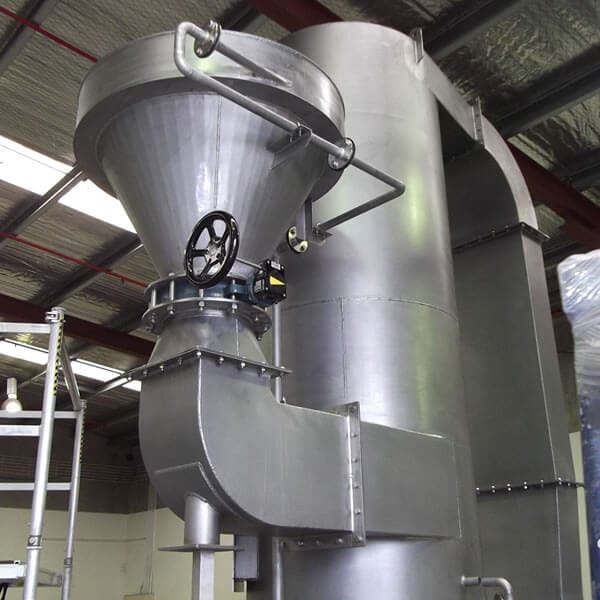
- Wet scrubbing is effective for:
- High-temperature applications
- Moist exhaust stream applications
- Removal of both gasses and particles
- Neutralizing corrosive gasses
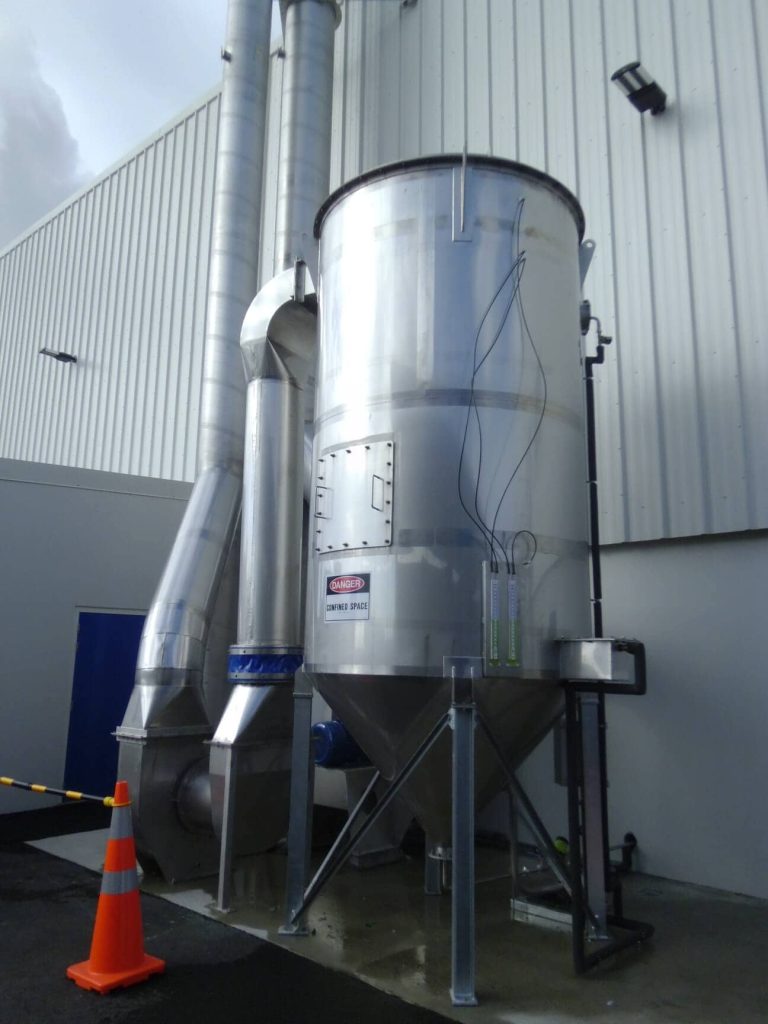
- Bin vent filters, pulse jet style industrial dust collectors, provide these benefits:
- High efficiency
- Low energy requirements
- Low maintenance requirements
- Quick installation with minimal installation costs
These solutions will be customized based on these essential considerations:
- Explosion mitigation
- Customize a deflagration system which includes:
- An explosion vent to release built-up pressure in the collector
- An isolation valve to prevent pressure waves from propagating back into the facility
- A rotary airlock to keep collected dust safely contained in the hopper
- Customize a deflagration system which includes:
- Fire suppression system
- Static-reducing filter media which can:
- Reduce the risk of self-ignition inside the dust collector
- Reduce clinging to the media
- Customize an effective filter pulsing system
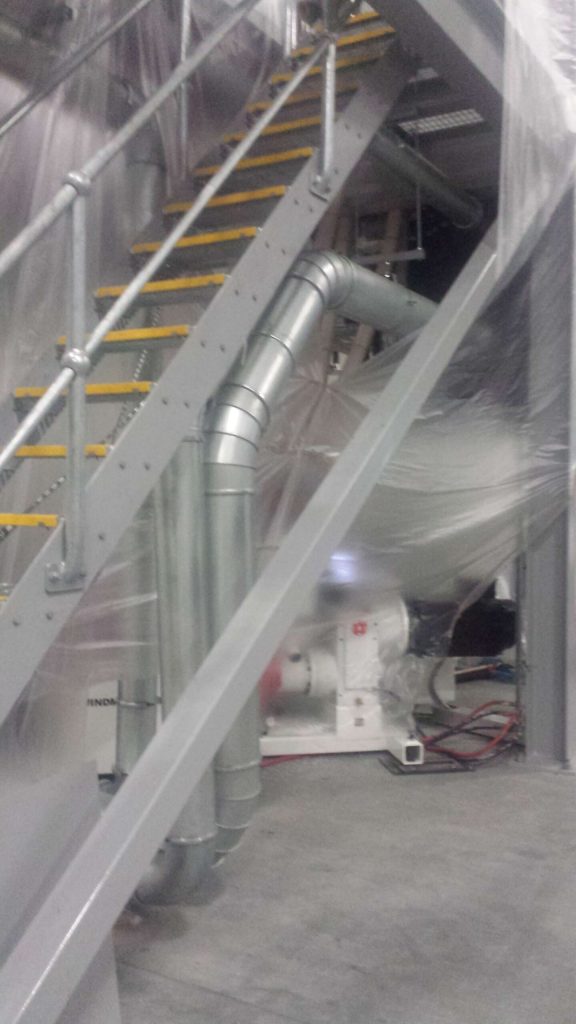
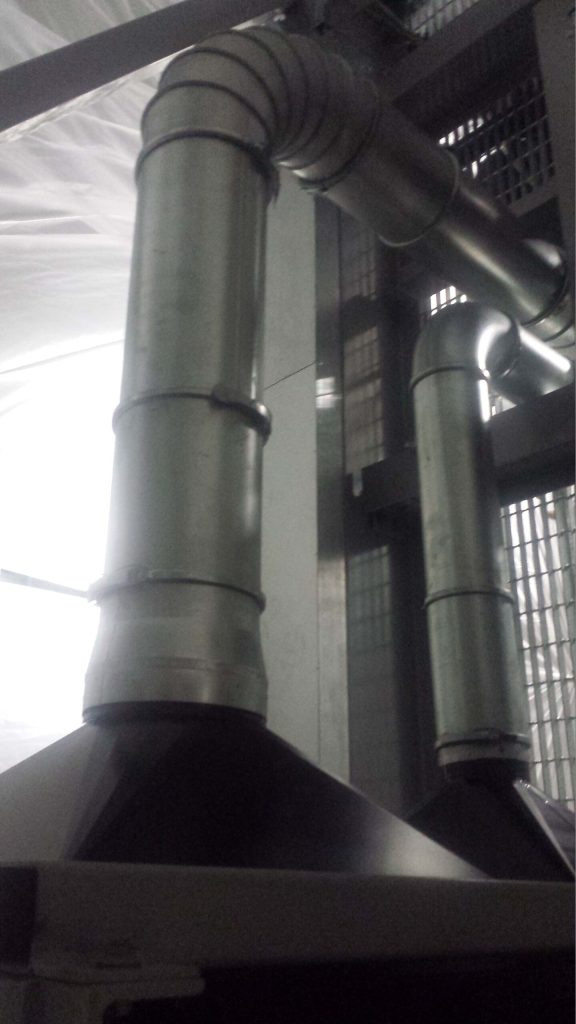
We can also custom design suitable ducting systems for all plant requirements including quick strip down ducting in mild or stainless-steel construction for easy cleaning and access.
Client Benefits/Saving/Results
We will work with you to find custom solutions to fit your application needs and help answer questions like these:
- What type of cartridge and filter media is best?
- Is an intermittent-duty, continuous-duty, or variable frequency collector best?
- Are explosion protection controls required?
- Which style and size configuration are best?
- Will the dust collector use compressed air?
Our custom solutions will:
- Protect workers, properties, and the environment from dust hazards
- Prevent dangerous explosions from charged, combustible plastic dust
- Save time, money, and energy on dust collection
- Prevent cross contamination
- Satisfy compliance with government regulations
We also offer a troubleshooting and auditing service for existing plants.

All Industries

