


Product Categories
- Cyclones & Insertable Filters (3)
- Dust Extraction Systems – Dust Collectors (22)
- Engineered Products (2)
- Flexible Ducting (18)
- Abrasive Flex (3)
- CNC Flex (1)
- Food Grade Flex (1)
- Fume, Welding & Exhaust Flex (3)
- High Temperature Flex (3)
- Metal Flex (1)
- PVC & TPR (2)
- Specialty Hoses (1)
- Timberflex (3)
- Fume Extraction Systems (8)
- Filter Box (1)
- Fume Arms (2)
- Hose Reels (1)
- Industrial Fans (2)
- Modular Ducting (21)
- Respirable Dust Suppression Systems (4)
- Rotary Valves (1)
- Safety & Explosion Systems (2)
- Spark Trap (1)
- Shredders, Hammermills & Briquetters (6)
- Spare Parts & Accessories (29)
- Wood Waste Fired Heat Plants (1)
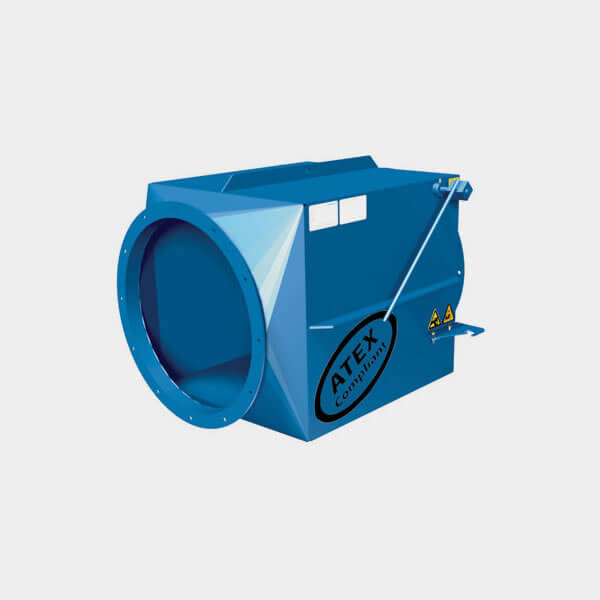
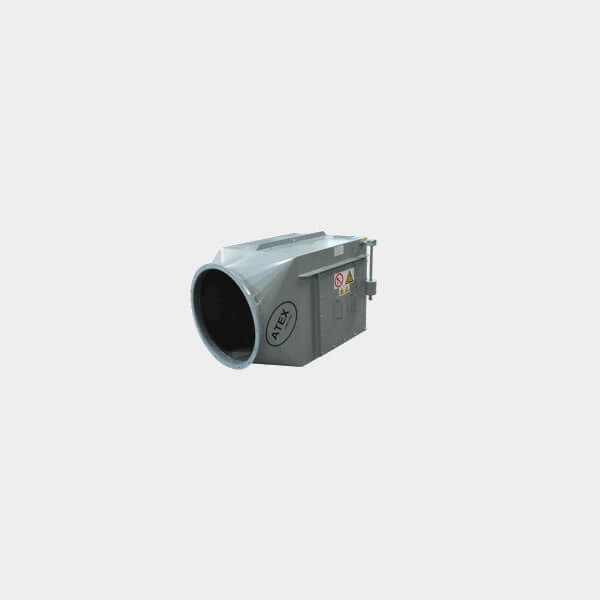
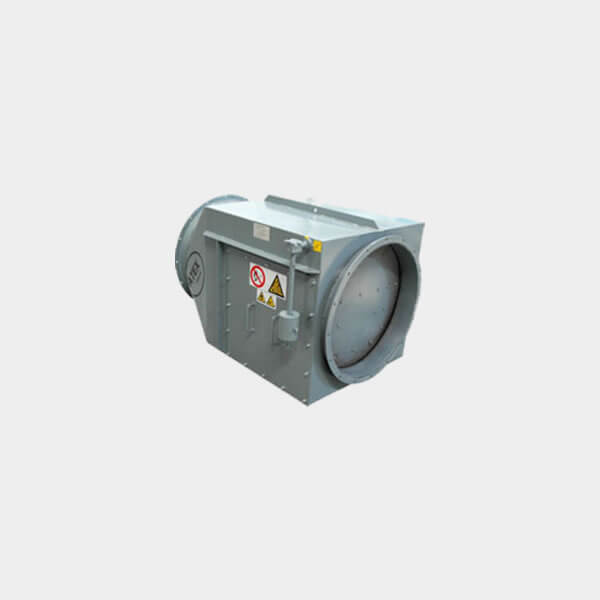
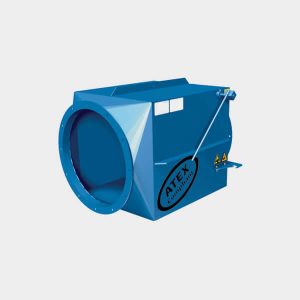
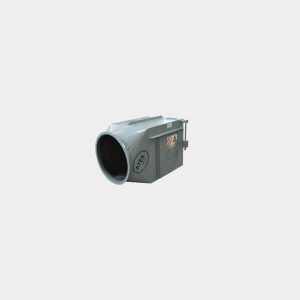
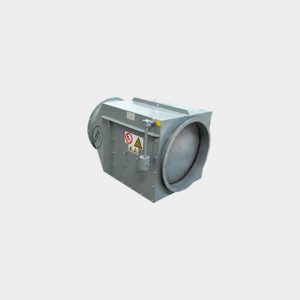
CARZ Non Return Valve
$0.00
The CARZ Explosion Isolation Valve is designed to help prevent the flame front and pressure wave from a combustible dust explosion travelling from the dust collector back through the extraction ductwork towards the workplace. Installed between the dust collector and process area, the non-return flap provides passive explosion isolation to help protect personnel and equipment.
- Description
- Applications
- Features & Benefits
Description
Explosion Isolation for Dust Extraction Systems
The CARZ Explosion Isolation Valve is a passive safety device designed for dust extraction systems handling combustible dust.
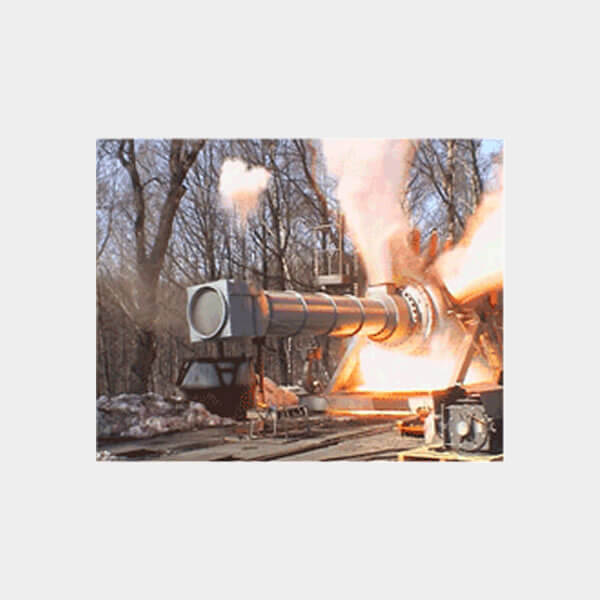
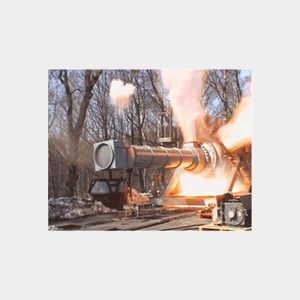
If an explosion occurs within a dust collector, both the pressure wave and flame front can propagate back through connected ductwork towards machinery and occupied work areas. The CARZ non-return valve is designed to isolate the duct and prevent these hazardous effects travelling upstream through the extraction system.
This provides an important layer of protection between the dust collector and the workplace.
How Does an Explosion Isolation Valve Work?
During normal dust extraction operation, airflow passes through the valve towards the dust collector.
In an explosion event, the pressure wave travelling in the opposite direction causes the flap to close, isolating the upstream ductwork from the dust collector.
This passive operation allows the valve to provide explosion isolation without relying on an actively triggered isolation system.
Combustible Dust Explosion Protection
Many materials handled in industrial processes can generate combustible dust, including timber, MDF, flour, grain, plastics and metals. Airtight identifies these among the materials that can present combustible dust risks in industrial environments.
Where combustible dust is present, explosion protection needs to consider the complete dust extraction system rather than the dust collector alone.
A correctly engineered system may require a combination of explosion relief, isolation and other protection measures based on the dust characteristics, equipment and installation.
Airtight specifically recommends appropriate explosion relief and non-return valves for full-factory timber dust extraction systems where combustible dust risks are present.
Protect the Upstream Ductwork
Explosion venting and explosion isolation perform different functions.
Explosion relief is designed to manage pressure generated by an explosion within protected equipment. An explosion isolation valve is designed to prevent the explosion from propagating through connected ductwork into other parts of the system or workplace.
For this reason, the CARZ valve should be considered as part of the wider explosion protection strategy rather than as a standalone solution.
Engineered Explosion Protection
Combustible dust safety equipment needs to be selected and installed according to the characteristics of the dust, duct arrangement, dust collector and overall explosion protection strategy.
Airtight Solutions can assess dust extraction systems and specify appropriate explosion isolation, explosion relief and dust collection equipment for the application.
Handling combustible dust? Talk to Airtight Solutions about the right explosion protection and dust extraction system design for your facility.
Applications
- Combustible dust extraction systems
- Industrial dust collectors
- Woodworking and timber processing
- MDF and engineered wood processing
- Food and grain processing
- Metal dust applications
- Plastics processing
- Manufacturing facilities
- Dust extraction ductwork requiring explosion isolation
- Systems where explosion propagation through upstream ductwork needs to be controlled
Features & Benefits
Passive explosion isolation
Designed to isolate upstream ductwork if an explosion pressure wave travels from the dust collector towards the workplace.
Helps stop flame propagation
Prevents the flame front associated with a dust explosion from propagating back through the extraction ductwork.
Protects personnel and equipment
Creates an isolation point between the dust collector and upstream machinery and work areas.
Automatic flap operation
The non-return flap responds to reverse pressure generated during an explosion event without requiring normal operator intervention.
Designed for combustible dust applications
Suitable as part of an engineered explosion protection system where combustible dust hazards have been identified.
Integrates with dust extraction systems
Installed within extraction ductwork between the protected dust collector and upstream process area.